
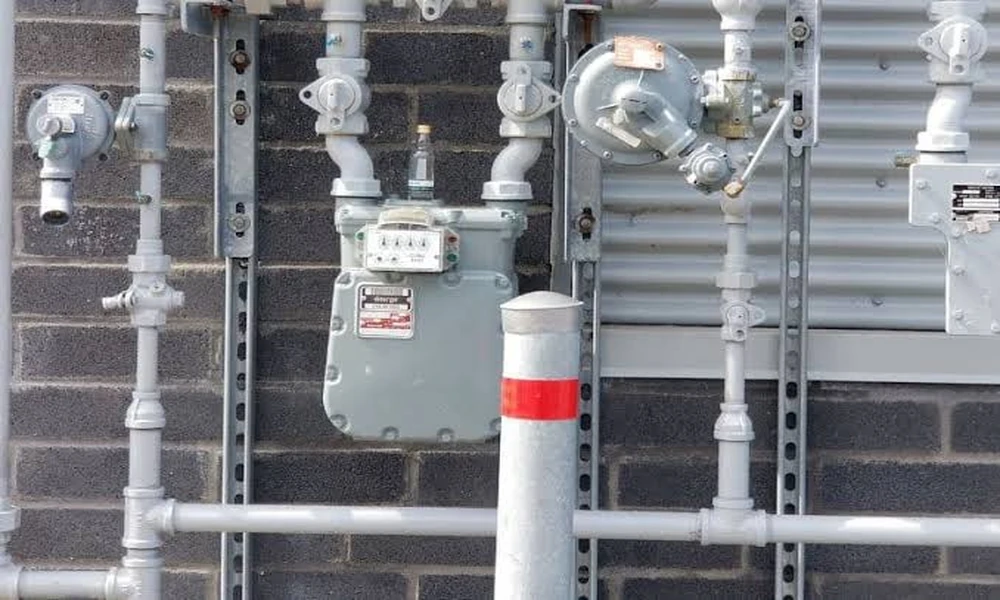
Starting a commercial gas connection needs good planning. You have to know where things go at the site, and what the technical needs are. If you want to start a commercial kitchen, update old equipment, or fit out a new retail space, a safe gas supply is very important for your business to work well. Before the engineers get there, it’s good to know what will happen during the setup. This helps avoid spending too much money, slows in the work, and missing any safety steps.
The first thing you need to do when planning is to know how buildings or other things fit or touch the edges of your property. For example, when workers connect gas to house or some building, they need to find a clear way from the main gas line to the last meter. If you know what goes on behind the scenes, you can help your team get ready, work with local experts, and keep your jobs on time.
Assessing Load Requirements and Meter Location
Before you start to install anything, you need to check the site and look at how much power and gas you will use. Gas providers choose meters that fit the highest amount you use. If you guess your use is less than it really is, the supply can drop. This may break your equipment or make you have to change the system later.
- Total Appliance Demand: Add up the kW or BTU needed for each appliance that is running at the same time.
- Meter Accessibility: Pick a spot for the meter that is easy for people to read and for crews to work on. Make sure it is safe from cars and bad weather.
- Pipe Routing Paths: Make sure the pipes that go from the meter to your equipment inside follow the building codes and all safety rules for your area.
Documentation, Safety Compliance, and Site Readiness
Commercial gas work needs some special checks and approval. You have to show property ownership papers, commercial lease papers, land-use permits, and plans of the building. All of these must be looked at before you begin digging or setting up gas pipes.
On installation day, you need to make sure that the whole area around the meter spot is clear. There should not be any trash, tools, or things that can cause accidents. Certified engineers will come in. They need to check the inside pipes for any leaks. They will do these checks before they turn on the main valve. When you have all your papers in order and keep the space ready, it helps stop work from being delayed. This also means you will not have to pay extra if things get moved to another day.
Preparing Your Business for a Smooth Connection
A good gas meter setup starts with talking early to the people who provide gas, the people building the site, and your own team. When you know your top gas needs, get the right permits, and keep the area safe, you can make the switch to gas use easy and smooth. If you work early with the right experts for connect gas to house setups or for buildings where businesses work, your place will get strong energy lines made to help you grow for years.
Frequently Asked Questions (FAQ)
How long does a commercial gas meter installation take?
The physical meter installation usually takes between 2 to 4 hours. However, the entire process-including site surveys, load assessments, council permits, and main line connection work-typically spans 2 to 6 weeks.
Can a commercial gas meter be installed indoors?
Yes, but strict conditions apply. Indoor meter installations require adequate natural or mechanical ventilation, explosion-proof light fixtures nearby, and clear clearance from electrical meters or distribution boards, in strict accordance with local building codes.
What happens if my business needs a higher gas load later?
If you expand operations or add heavy-duty equipment, you must submit a load upgrade request to your gas provider. Running higher demand through an underrated meter causes pressure drops that can damage appliances or trigger automated safety shut-off valves.