
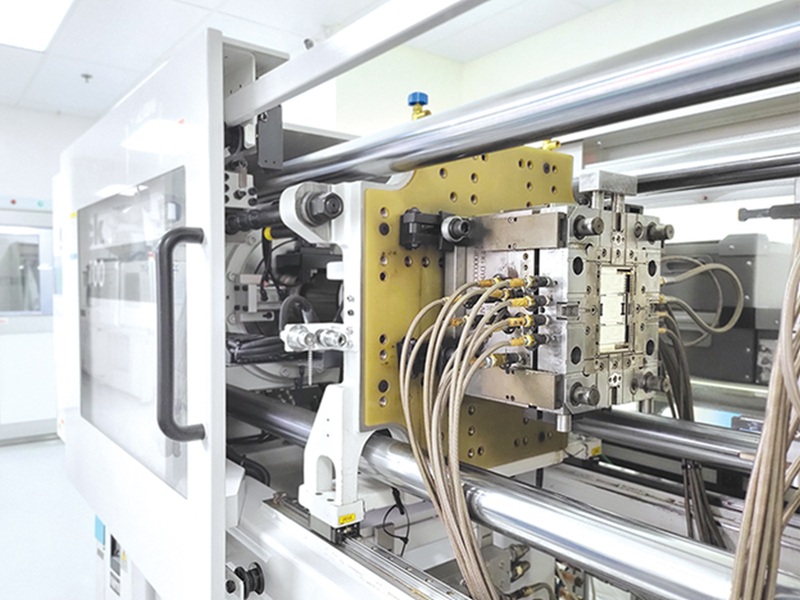
Plastic molding injection companies operate in the background of nearly every industry, producing components that make modern life function, from medical device housings to vehicle dashboards, food packaging, and electronics casings. These manufacturers rarely receive attention, yet their work determines whether products reach consumers at affordable prices, whether quality remains consistent across millions of units, or whether innovations remain trapped as prototypes. Understanding how plastic molding injection companies operate matters because manufacturing choices ripple outward, affecting employment patterns, environmental impacts, and which communities benefit from industrial development.
The Process That Shapes Everything
Injection molding machines take plastic pellets and transform them into finished components through a process that’s simultaneously straightforward and remarkably complex. Molten plastic gets injected under high pressure into precisely machined moulds, where it cools into shapes ranging from bottle caps to automotive panels. The simplicity of the concept masks the sophistication required to do it well, consistently, at the volumes modern consumption demands.
Singapore’s injection molding machine market, valued at USD 67.55 million in 2023 and projected to reach USD 101.22 million by 2030, reflects how countries position themselves in global manufacturing networks. These figures represent strategic decisions about which industries to support, which skills to develop, and how to integrate into supply chains spanning continents. The country’s manufacturing output reached USD 95.70 billion in 2022, an 8.64 per cent increase from the previous year, demonstrating manufacturing’s continued economic centrality despite narratives suggesting industry’s decline.
Why Precision Matters
Plastic molding injection companies compete on precision measured in fractions of millimetres. Singapore-based manufacturers achieve dimensional accuracies of ±0.02mm, tolerances that matter enormously when components must fit together perfectly or when medical devices require exact specifications for patient safety. This precision doesn’t happen accidentally; it requires sophisticated process control, quality monitoring systems, and skilled technicians who understand how variables like temperature, pressure, and cooling time affect outcomes.
The industries depending on this precision reveal modern manufacturing’s scope:
• Medical and healthcare applications
Surgical instruments and diagnostic device housings demand ISO 13485 certification, ensuring components meet strict requirements. When precision fails in medical manufacturing, consequences extend beyond financial loss to patient harm.
• Electronics manufacturing
Casings and connectors in phones and computers require consistent quality across massive volumes. Singapore’s position as the world’s fourth-largest high-tech exporter depends partly on injection molding capabilities supporting electronics assembly.
• Automotive production
Lightweight plastic components replacing heavier materials improve fuel efficiency whilst meeting safety standards. The transition from metal to engineered plastics in vehicles accelerates, creating sustained demand.
• Consumer goods and packaging
Everything from food containers to household products relies on injection molding for cost-effective mass production. The ability to produce millions of identical items efficiently determines whether products remain affordable.
• Aerospace components
Lightweight, durable aircraft parts increasingly use advanced polymers produced through injection molding, benefiting from Singapore’s growing aerospace sector.
The Skilled Workforce Question
Plastic molding injection companies succeed or fail based on human expertise as much as equipment sophistication. Singapore’s approximately 2,700 precision engineering companies employ skilled workers who understand materials science, process engineering, and quality control. This workforce doesn’t appear spontaneously; it results from educational systems aligned with industrial needs, training programmes linking schools with manufacturers, and labour policies attracting talent.
The workforce dimension affects who benefits from manufacturing investment. When plastic molding injection companies locate in a region, they create employment ranging from machine operators to process engineers, quality technicians to logistics coordinators. The wages these jobs pay, the skills they develop, and the career pathways they enable shape communities. Singapore’s strategic Asia Pacific location, combined with its skilled workforce, creates competitive advantages individual companies cannot replicate alone.
Technology and Environmental Shifts
The injection molding industry faces pressures to adopt automation, artificial intelligence, and digitisation. Advanced machines feature automated material handling, real-time process monitoring, and predictive maintenance systems reducing downtime. These technological shifts promise efficiency gains whilst raising questions about employment impacts and which workers benefit from automation versus those displaced by it.
Simultaneously, environmental concerns grow as awareness of plastic waste and carbon emissions increases. Regulations in Singapore, Japan, and South Korea now limit manufacturing activities to reduce environmental impact. Plastic molding injection companies respond by implementing processes that reduce material waste, consume less energy, and incorporate recycled or biodegradable polymers. These sustainability transitions require investment in new equipment, process redesign, and material sourcing changes. The costs get borne unevenly, with larger manufacturers better positioned to absorb transition expenses than smaller operations.
The Customisation Trend
Consumer demand for personalised products drives plastic molding injection companies towards greater flexibility. Machines capable of quick mould changes and small batch production enable customisation previously uneconomical. This ability favours manufacturers with advanced capabilities and skilled workers, potentially widening gaps between leading manufacturers and those struggling to keep pace.
The Infrastructure Nobody Sees
Most people never think about how the plastic components surrounding them get made. Plastic molding injection companies represent essential infrastructure enabling modern consumption patterns. When they operate efficiently, products remain affordable and available. When disruptions occur, shortages and price increases follow.
Singapore’s 2,700 precision engineering companies, robust logistics networks, and quality standards create ecosystems where innovation can move from concept to production efficiently. These capabilities reflect decades of strategic investment in education and industrial policy.
The choices plastic molding injection companies make about where to locate, which technologies to adopt, and which environmental standards to meet shape regional economies. These manufacturing decisions affect employment and environmental sustainability in ways deserving attention. The future depends on decisions being made now about investment priorities, workforce development, and how manufacturing’s benefits get distributed, making the work of plastic molding injection companies central to questions about industrial development and shared prosperity.