
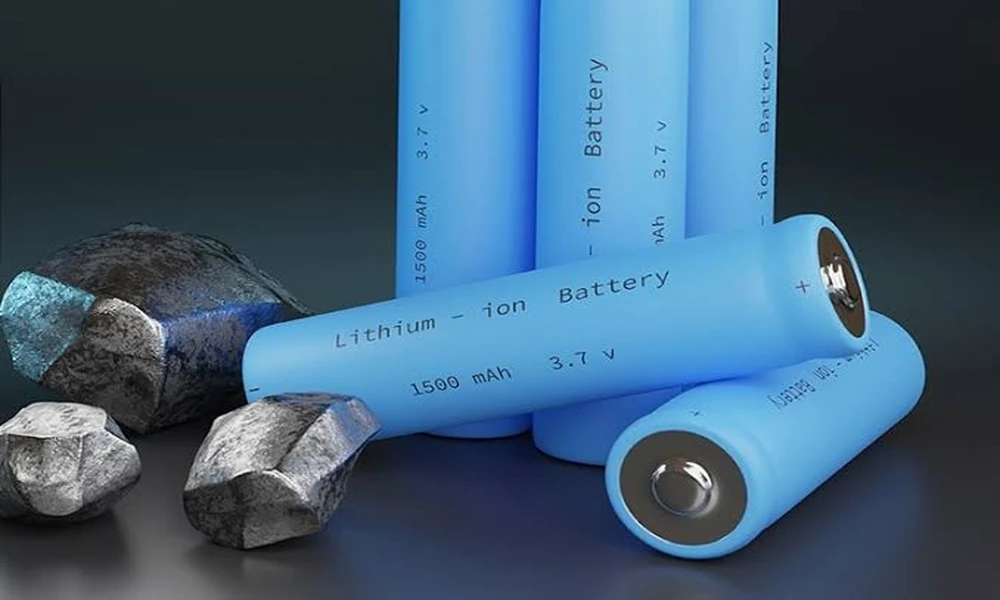
Two batteries can look identical yet ship under different rules. Chemistry, not size, decides which regulations apply. A phone pack and a coin cell share Class 9. Still, each follows its own packing instructions and limits. Proper dangerous goods lithium batteries shipping depends on that split. Ratings, UN numbers, charge caps and aircraft limits all differ. Even fire response changes between the two.
Chemistry Determines the Correct UN Number
Classification comes before any box gets taped. Lithium-ion cells recharge; lithium-metal cells are single-use primaries. That difference produces four separate UN entries:
- UN3480 covers lithium-ion batteries packed alone.
- UN3481 applies when ion cells travel with equipment.
- UN3090 handles loose lithium-metal batteries.
- UN3091 governs metal cells shipped alongside devices.
Why Do Ratings Use Different Units?
Ion capacity is measured in watt-hours. Metal cells, by contrast, are judged by lithium content in grams. An ion cell above 20 Wh loses small-battery exceptions. For metal cells, that threshold sits at 1 gram. Complete batteries face higher cutoffs: 100 Wh or 2 grams. Crossing those lines triggers fully regulated Class 9 treatment.
Charge Limits Apply Only to Lithium-Ion
Standalone ion packs have carried a state-of-charge cap for years. From January 2026, ion cells packed with equipment must also ship at 30% or less, or show an indicated capacity of 25% at most. Metal cells escape this rule entirely. A primary cell cannot be drained for transit, then recharged later.
Which Aircraft Can Carry Each Chemistry?
Passenger planes refuse standalone packs of either type. Both UN3480 and UN3090 need Cargo Aircraft Only labels. Batteries installed in devices gain more freedom. A laptop holding its ion pack can fly as passenger cargo. Smooth dangerous goods lithium batteries shipping hinges on matching chemistry to aircraft type. Airlines may still add stricter operator variations.
Fire Behavior Shapes Packaging and Handling
Metallic lithium reacts violently with water. Ion fires, though stubborn, respond better to cooling. That gap explains tighter handling around primary cells.
- Terminals must stay shielded from shorts.
- Outer boxes need to survive drop tests.
- Each design requires UN38.3 test proof.
- Damaged cells demand special carrier approval.
What Documents Must Accompany Each Package?
Fully regulated Section I shipments need a shipper’s declaration. Smaller Section II consignments skip that form. Even so, the lithium battery mark stays mandatory. That mark lists the matching UN number clearly. A UN38.3 test summary must be available on request. Missing papers stall cargo at the acceptance desk.
Grams and Watt-Hours Rewrite the Route
A single gram of lithium can reroute an entire shipment. Push a metal cell past that line, and paperwork multiplies. In effect, chemistry picks the aircraft before shippers do. Product designers hold more leverage here than logistics teams. Specifying a 0.9-gram cell instead of a 1.1-gram one quietly saves years of freight costs.
FAQs
Can lithium-metal batteries ship on passenger aircraft?
Loose metal batteries under UN3090 are forbidden on passenger planes. Packed with or in equipment, limited quantities can still travel as passenger cargo.
Does the 30% charge rule apply to coin cells?
No, coin cells are lithium-metal primaries with no charge limit. The cap targets rechargeable cells, which can be partially discharged before transit.
What does UN38.3 testing involve?
The series covers altitude, thermal, vibration, shock, impact and short-circuit trials. Both chemistries must pass it before a battery design ships commercially.
Are sea freight rules the same as air rules?
Ocean shipments follow the IMDG Code, which uses identical UN numbers. The 30% charge cap, however, is an air requirement and doesn’t apply at sea.
Can damaged or recalled batteries travel by air?
Defective cells of either chemistry are forbidden on all aircraft, passenger and cargo alike. Ground or sea transport, with special packaging and carrier approval, becomes the only route.