Aviation teams need the right people in the right roles to keep aircraft moving safely and on schedule. For maintenance, repair, and overhaul (MRO) providers and ground operations teams, staffing needs can change quickly based on aircraft volume, seasonal demand, contracts, and operating hours.
A practical aviation staffing approach can help organizations balance workforce needs with daily operational demands. The right staffing models can make this process easier to manage.
Understand the Workforce Needs
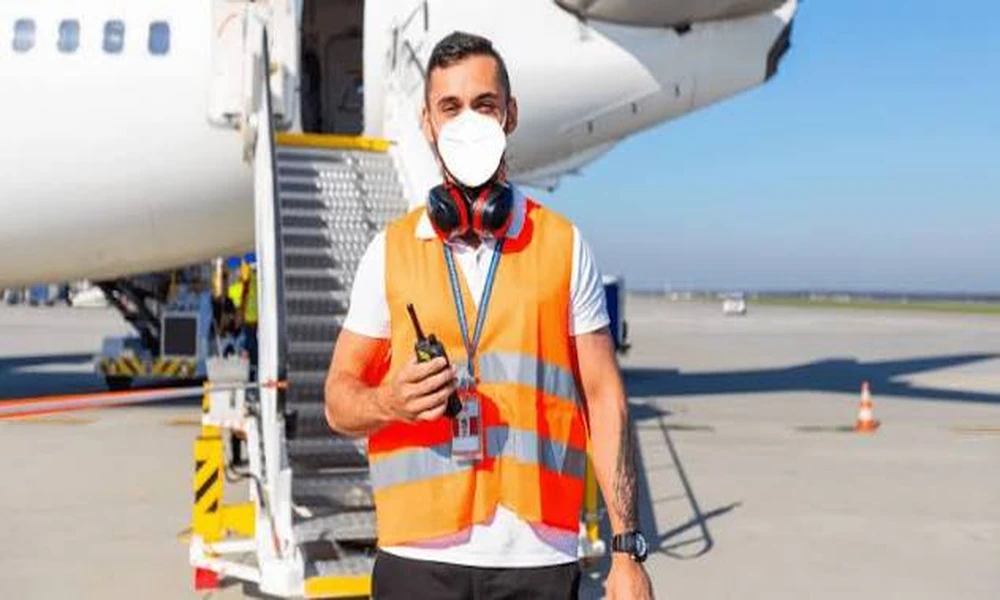
MRO teams often need skilled professionals such as aircraft mechanics, technicians, inspectors, and maintenance planners. Ground operations teams may require ramp agents, baggage handlers, customer service staff, equipment operators, and supervisors.
Before choosing a staffing approach, companies should look at required roles, certifications, shift patterns, and expected workload. This helps prevent understaffing and unnecessary labor costs.
Use Permanent Staffing for Core Roles
Permanent employees can be a good fit for roles that require consistent coverage and deep knowledge of company procedures. Core maintenance positions, experienced supervisors, and technical leadership roles may benefit from a stable workforce.
A permanent team can also build familiarity with aircraft, equipment, safety procedures, and internal processes. This can support continuity year-round.
Add Temporary Staff During Demand Peaks
Airports and MRO facilities can experience periods of higher activity. Seasonal travel, new contracts, fleet changes, and scheduled maintenance programs may increase workforce requirements.
Temporary staffing allows companies to add people for a defined period without making every increase in demand permanent. This can be useful for ground handling, baggage operations, maintenance support, and other roles when workload changes.
Bring in Skills When You Need Them
Not every workforce requirement needs a permanent position. Contract staffing can help aviation organizations bring in skilled professionals for specific projects, busy periods, or short-term operational needs.
For MRO teams, this could include technicians, inspectors, or other specialists with relevant aircraft experience. Ground operations teams may use contract workers to manage higher passenger volumes, support new operations, or cover temporary staffing gaps.
This model allows organizations to increase workforce capacity without making a long-term commitment for a role that may only be required for a limited time.
Build a Flexible Hybrid Model
A mix of permanent, temporary, and contract workers can provide more flexibility. This hybrid approach allows organizations to maintain a stable core workforce while adding capacity when demand changes.
The best staffing models should also account for training, safety requirements, background checks, certifications, and scheduling. In aviation, filling a position is only one part of the process. Workers must be properly qualified and prepared for the responsibilities of the role.
Plan for Changing Aviation Demands
Workforce planning should not be treated as a one-time exercise. MRO schedules, passenger volumes, airport operations, and business contracts can change throughout the year. Regularly reviewing workforce requirements can help companies identify upcoming gaps earlier.
A flexible aviation staffing strategy can give MRO and ground operations teams more options when workloads shift. By combining stable core teams with flexible workforce options, companies can respond to operational changes while keeping staffing aligned with business needs.
Conclusion
MRO and ground operations require dependable coverage, specialized skills, and the ability to respond to changing demand. Permanent employees, temporary workers, and contractors each play a role.
By selecting the right mix and reviewing workforce needs regularly, aviation organizations can create a more flexible approach to staffing and support smoother day-to-day operations.