
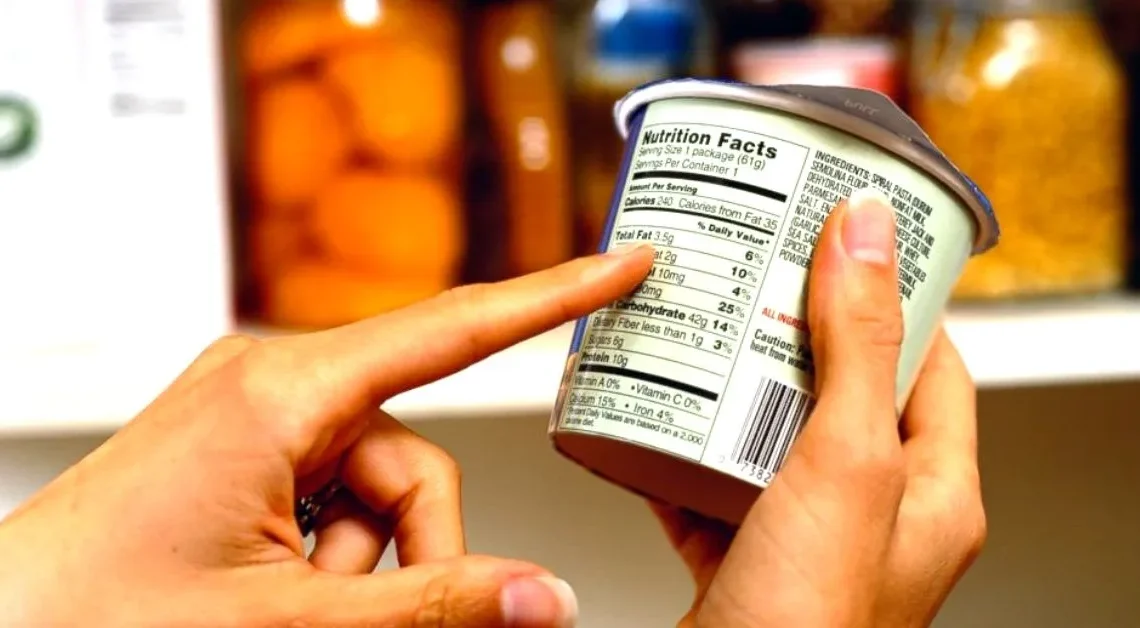
Labelling rules for hemp products cover seven printed checkpoints, from identity statements to age warnings, and every compliant panel clears them before production. Each jar, pouch, and cartridge carries a small legal document across its surface, read closely by state agencies, retail partners, and careful shoppers alike. Clean labels move inventory past every checkpoint without friction, while unclear panels invite returned shipments and shelf removals. Smart brands match compliant packaging to honest customer education, and pages including exhalewell.com/blog/what-is-a-snow-cap-weed answer buyer questions before confusion ever reaches support. An accurate label and clear content complete both halves of one job: satisfying inspectors and informing shoppers in equal measure.
Labelling rules are built through seven checkpoints
Labelling rules are built through seven checkpoints, and a compliant panel clears every one before the file reaches the printer. A label clearing all seven checkpoints passes state reviews, satisfies retail partners, and answers most customer questions before support ever hears them. The checkpoints also protect the brand internally, since a production team working from one approved template catches errors early instead of discovering them in a returned pallet.
- Identity statement – The product name and type appear plainly, telling the buyer exactly what sits inside the package
- Cannabinoid content – Total cannabinoids per serving and per package, matched to the batch COA rather than a marketing estimate.
- THC disclosure – Delta-9 content stated clearly within the federal threshold, with state-specific totals printed where rules demand them
- Batch and lot codes – A printed identifier connecting each unit to its production run and its exact lab report
- QR code access – A scannable link opening the full COA, now required by several states and expected by careful shoppers everywhere
- Ingredient and allergen list – Complete contents in descending order, with allergens flagged the same way food labels handle them.
- Warnings and age statements – Required cautions, age restrictions, and keep-away-from-children language sized large enough to stay readable
A compliance primer starts with the strictest state
A compliance primer starts with the strictest state a brand ships to, because designing for the toughest rulebook makes every other rulebook easier automatically. Multi-state sellers who print to the highest standard run one label instead of fifty, cutting design work and removing the sorting errors that mixed inventory invites. Quarterly rule checks keep the panel current as states adjust requirements, and a standing relationship with a packaging compliance reviewer catches changes before a warehouse fills with outdated pouches. Label files stored with version dates make every update traceable, so the team always knows which panel shipped in which month. Brands that treat labelling as a living system rather than a launch task ship without hesitation into every market that opens.
Labelling rules for hemp products reward the brands that read them closely and print them properly. Seven checkpoints on the panel, one standard set by the strictest state, and a quarterly review rhythm together turn packaging from a legal risk into a trust signal that works on every shelf. Shoppers who scan the QR code and read the honest numbers meet a brand holding nothing back. In a category where the label is the first handshake, compliance printed clearly wins the second look, and the second look wins the sale.