
An old complaint haunted edibles from the beginning. Eat a gummy, wait an hour, feel nothing, eat another, then regret everything ninety minutes later. That waiting game pushed countless first timers away from the format permanently. BudPop competes in the fast-acting segment now by building entire product lines around this processing step. It never reaches the customer, so the customer has no knowledge of it. A customer only notices the clock when they are in a hurry.
Slow-onset problems
Cannabis oils travel slowly through the body after being swallowed. A standard edible enters the stomach, passes into the intestines, passes through the liver for first pass metabolism, and then reaches circulation. With every stage comes more variability. A heavy dinner can extend indefinitely, an empty stomach can shorten it unpredictably, and two identical gummies eaten on two different days can taste completely different. A lack of consistency ruined consumer confidence for years more than the actual delay. People can plan around a known wait. Nobody can plan around a lottery, and traditional oil-based edibles hand customers a ticket with each piece. Fast-acting technology emerged as a direct answer to that specific frustration, targeting the gap between eating and feeling that no flavour improvement or packaging redesign could ever close.
Droplet size science
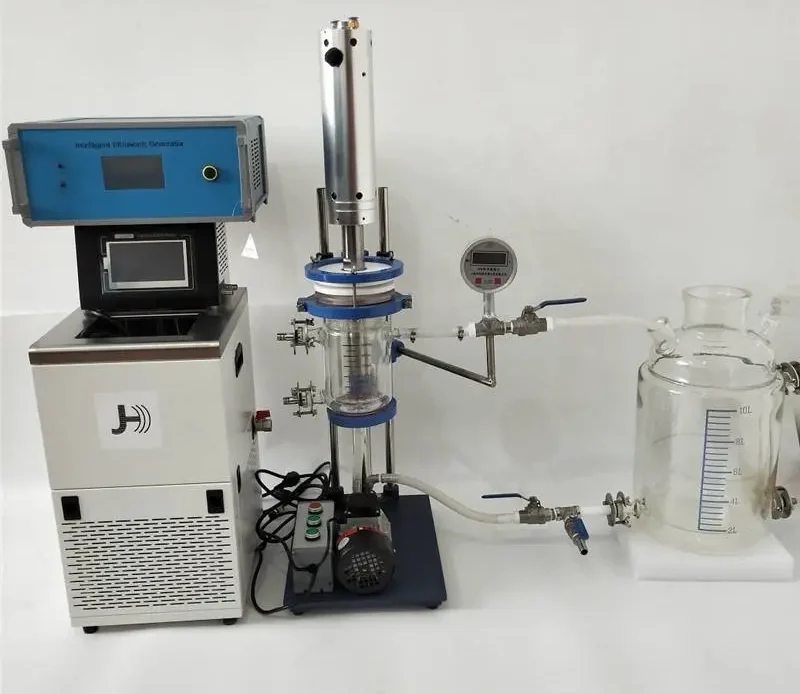
Nano-emulsification shrinks cannabinoid oil into particles small enough to behave differently inside the body. High shear equipment, ultrasonic processors or pressure homogenisers break oil into droplets measured in nanometers. Each droplet is wrapped in emulsifier molecules, keeping the mixture stable and water compatible. Two consequences follow directly. Absorption begins earlier, partially through oral and stomach tissue rather than waiting for full digestion. Uniformity improves, tiny droplets dispersing through gummy slurry far more evenly than ordinary oil ever mixed. Many fast-acting products report onset near twenty or thirty minutes instead of ninety, and piece-to-piece consistency tightens as a manufacturing bonus nobody advertised, but every customer benefits from.
Production demands multiply
Running this technology well costs considerably more than marketing it.
- Equipment investment lands early and heavy, commercial homogenisers pricing out casual entrants immediately.
- Emulsifier selection trades against itself; stability, taste neutrality, and clean labels rarely align in one option.
- Heat during gummy production stresses emulsions, forcing process windows tighter than conventional lines tolerate.
- Verification requires particle size analysis, which most facilities outsource, adding cost and calendar time per batch.
Cutting corners produces gummies that pass launch testing and drift afterwards, onset slowing as emulsions degrade in storage, quietly reviving the exact inconsistency problem the technology promised to bury. The difference between a marketing claim and a manufacturing capability shows up months later, on shelves, where nobody can fix it.
Speed became standard
Fast onset moved from novelty toward expectation in three years. New buyers now read onset claims the way they read milligrams. Slow products increasingly compete on price alone, the weakest position any shelf offers. Formulation capability became brand capability along the way, early movers holding process knowledge around emulsifier blends and equipment parameters that certificates never reveal, while copycats need seasons of trial batches to match stable formulas. Speed sells because certainty sells, and certainty is the actual product underneath every fast-acting label.
The fastest gummy is really the best. Nano-emulsification earned its place by making edibles behave the same way twice, and the brands that understood that distinction first are the ones customers stopped second-guessing.