
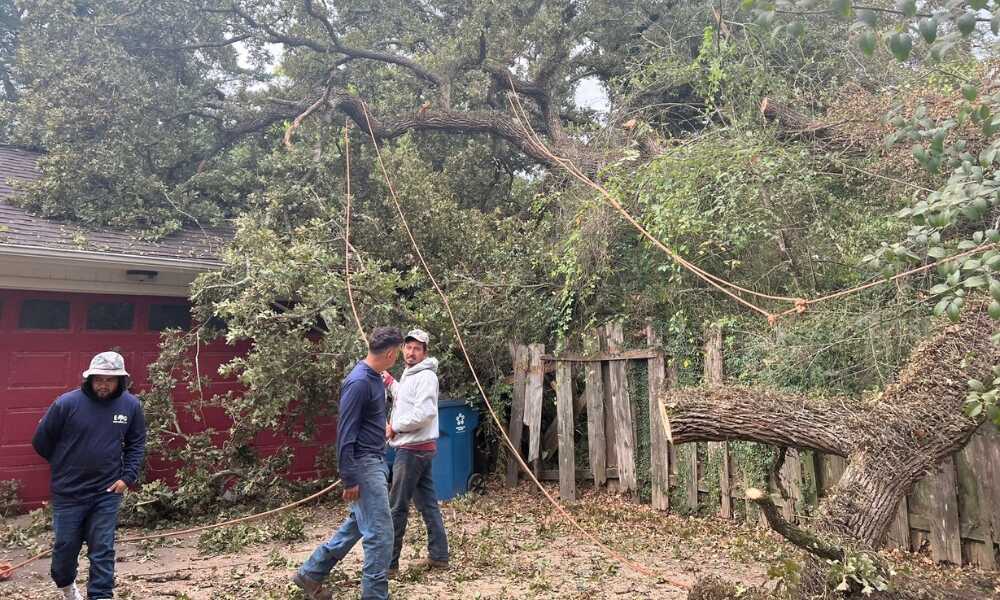
Tree removal follows systematic procedures ensuring safety and efficiency throughout operations. Multiple phases occur from initial assessment through final cleanup. tree removal service executes coordinated steps, preventing property damage and crew injuries during removals. Each phase builds on previous work, creating an organised progression from standing tree to cleared site.
Site assessment planning
Initial evaluations determine removal methods based on tree size, lean, trunk diameter, and nearby obstacles. Crews calculate fall zones and choose cutting strategies accordingly. Trees near houses often require dismantling, while open-yard trees allow straight felling. Access routes, equipment space, soil conditions, and entry limitations also influence planning decisions. Wind resistance and drought tolerance are revealed beyond canopy appearance by root system architecture. Conks, brackets, and mushrooms around root zones indicate advanced decay. A significant amount of internal damage is already present before these indicators appear.
- Permit verification confirms municipal approvals obtained before work begins
- Utility notifications alert power and cable companies about nearby line work
- Property protection measures identify landscaping, structures, and features needing safeguards
- Weather monitoring checks forecasts, postponing work during high winds or storms
- Crew assignments designate climbers, ground workers, and equipment operators
Cutting and dismantling
Felling techniques vary dramatically based on space availability and hazard proximity. Open area removals allow single cuts, dropping entire trees in predetermined directions. Notch cuts establish hinge wood controlling fall directions, while back cuts release trees from stumps. Wedges driven into back cuts prevent binding and ensure proper directional falls. Tied-off guide ropes provide additional directional control during falls. Confined space removals require sectional dismantling from top down. Climbers ascend trees using ropes and harnesses, positioning themselves above cutting zones. Upper sections get cut into manageable lengths, lowered by ropes, preventing uncontrolled drops. Each section removal progresses downward until only trunks remain standing. Final trunk sections fall like traditional felling or are cut into short rounds if space remains limited. Cranes sometimes lift large sections when rigging proves impractical for sizes or weights.
Debris processing removal
Brush and branches get fed through chippers, converting limbs into mulch. Chippers positioned near work areas process debris continuously as cutting progresses. Wood chips accumulate in truck beds or piles for disposal or property owner retention. Large diameter wood exceeding chipper capacities gets cut into firewood lengths if salvageable or hauled as logs to disposal facilities. Trunk wood handling depends on the size of the tree and the wishes of the property owner. Large hardwood species with good value may be cut and milled into usable lumber or sold to timber buyers for further use. Trunks with smaller diameters are usually cut into firewood rounds and stacked neatly on the property for the owner to keep and use later. The wood can therefore season naturally while still serving household needs. A recycling facility processes wood that cannot be reused or is not desired by the owner. In some cases, the entire trunk is ground on site to create large piles of mulch instead of hauling the material away.
A tree removal process involves planning, establishing safe approaches, cutting and dismantling trees section by section, processing debris, converting biomass into transportable forms, and cleaning, restoring properties to livable conditions after the trees have been removed.