
Few trades swing as hard with the weather as heating and cooling. A heat wave sends the phones into overdrive. A mild week leaves technicians waiting. The companies that grow steadily do not simply react to these swings. They plan for them. If you are looking into marketing for HVAC companies, a season-by-season approach is one of the most useful frameworks you can use. This playbook walks through the year, showing what to promote, when to push and how to smooth out the peaks and valleys.
The Big Idea: Sell Before the Breakdown
Emergency repairs are valuable, but they are unpredictable. The most stable HVAC businesses build a base of customers who are on maintenance plans, replace systems on schedule and call before something fails. Each season is a chance to move customers toward that kind of relationship.
Winter: Heating Season Focus
Cold snaps create urgent demand for repairs and replacements.
- Emergency readiness. Make 24/7 availability and fast response prominent on your website, ads and map listing.
- Paid search. Increase spend on terms for no-heat repairs when temperatures drop.
- Safety messaging. Share simple guidance on carbon monoxide detectors, filter changes and warning signs from furnaces.
- Financing information. Many homeowners facing a failed furnace need payment options, so state yours clearly.
- Be honest about repair versus replace. Helping customers decide builds long-term trust.
Spring: Tune-Up Season
Mild weather is the best time to sell preventive work.
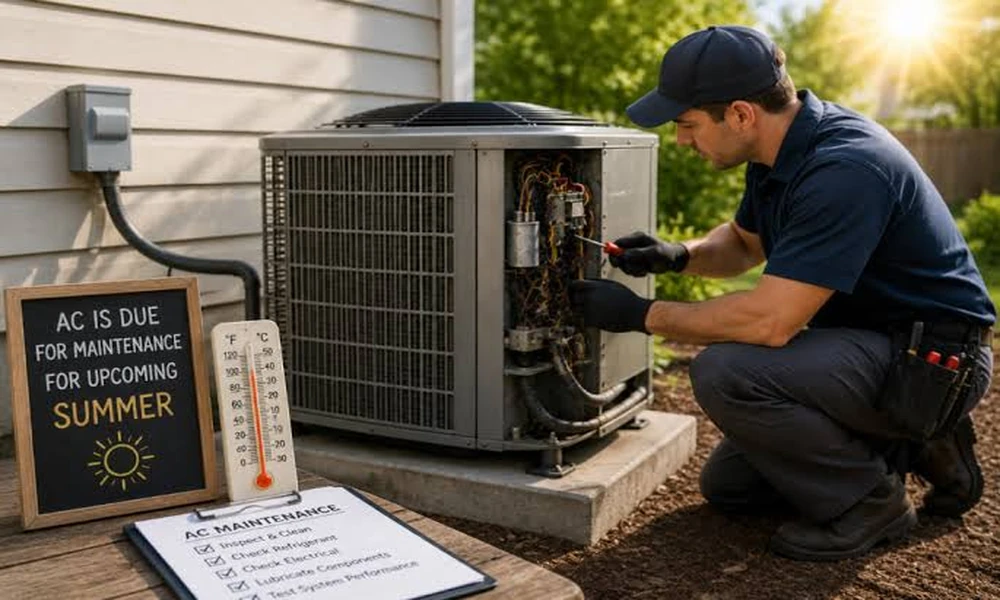
- Promote seasonal tune-ups for cooling systems before the first hot days.
- Launch maintenance plan campaigns by email, text and social media to past customers.
- Offer early-bird scheduling to balance workloads.
- Highlight indoor air quality products, such as filtration, humidifiers and purifiers.
- Showcase thermostat upgrades and smart-home options.
Spring is also the right moment to review your pricing, update your service pages and train your team on new products.
Summer: Cooling Season Focus
Heat waves drive urgent calls for air conditioner repairs and replacements.
- Prepare for volume. Staffing, scheduling and call handling must keep up, or you lose leads in the rush.
- Targeted ads for same-day air conditioning repair in your service area.
- Clear expectations. If demand exceeds capacity, say so honestly and offer the next available time.
- Energy efficiency messaging. Explain how newer systems can reduce running costs.
- Review requests. Ask every satisfied customer for a review while the experience is fresh.
Autumn: Pre-Winter Preparation
As the weather cools, shift attention back to heating.
- Furnace tune-up campaigns before the first cold weather.
- Reminders for filter changes and safety checks.
- Replacement conversations with owners of older systems, backed by clear explanations.
- Commercial outreach to property managers who need to prepare buildings for winter.
- Preview your winter promotions so customers know what is available.
Year-Round Foundations
Seasonal pushes work best when they sit on a solid base.
Local Search Presence
Keep your map listing accurate and active. Add photos regularly, reply to reviews and make sure your service areas, hours and categories are correct.
A Website That Converts
- Fast, mobile-friendly pages.
- A visible phone number and quote form.
- Pages for repair, installation, maintenance and indoor air quality.
- Real photos of technicians and installations.
- Clear information on licensing, insurance and warranties.
A Maintenance Plan Program
Plans create recurring revenue and priority service for members. Describe benefits plainly: scheduled visits, priority booking, discounted repairs where offered and early detection of problems.
Reviews and Reputation
Reviews strongly influence who gets the call. Ask consistently, respond to every review and use feedback to fix recurring problems.
Speak Both Languages: Homeowners and Businesses
Residential and commercial customers have different priorities.
- Homeowners want comfort, fair pricing and trustworthy technicians.
- Commercial clients want minimal downtime, documented maintenance and responsive service.
Create separate pages and messages for each, and consider dedicated outreach to property managers and facilities teams.
Convert Every Enquiry
Marketing success often depends on what happens after the phone rings.
- Answer quickly, or use after-hours call handling.
- Ask good questions to understand the problem and urgency.
- Book the visit on the call whenever possible.
- Send confirmation and arrival updates.
- Follow up on quotes with a friendly check-in.
Measure Each Season
Compare results by season and channel:
- Leads and booked jobs.
- Cost per lead.
- Average ticket value.
- Maintenance plan sign-ups.
- Review growth.
Over several years, these numbers help you budget confidently and predict demand.
Final Thoughts
HVAC marketing works best when it follows the thermostat. Be ready for emergencies in extreme weather, sell maintenance in mild seasons, stay visible online all year and make it easy to say yes. A calendar-driven plan turns unpredictable demand into a steadier, more profitable business.