
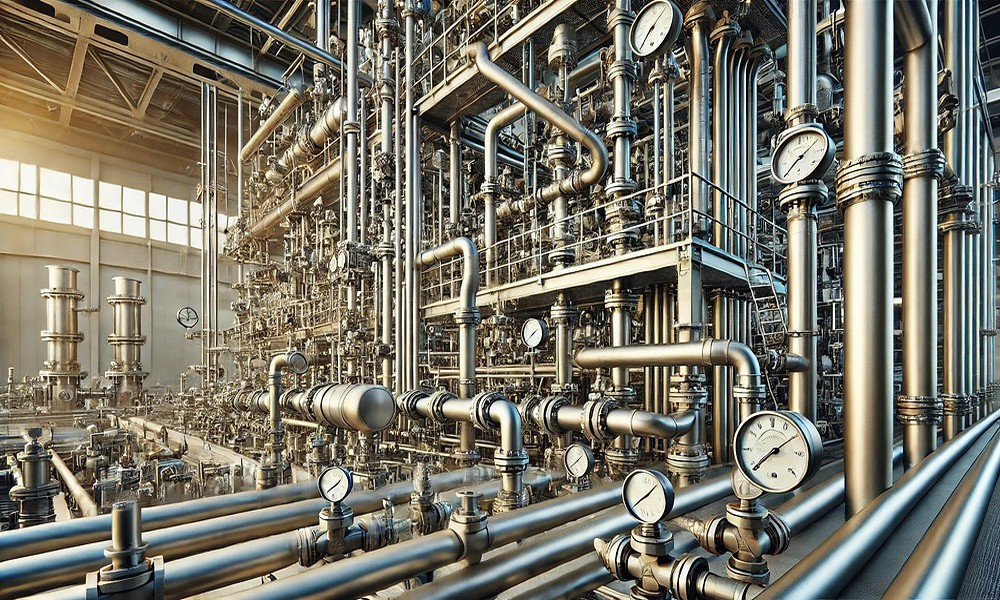
In industrial piping systems, material selection is one of the most important decisions affecting safety, efficiency, and long term operational reliability. Across UK sectors such as water treatment, chemical processing, manufacturing, and construction, choosing the correct pipework material directly influences how well a system performs under pressure, temperature changes, and environmental exposure.
Poor material selection can lead to corrosion, leaks, premature failure, and costly downtime, making early-stage specification a critical part of any pipeline project.
Why Material Selection Matters
Every piping system operates under different conditions, and no single material is suitable for all applications. Factors such as fluid type, pressure, temperature, and environmental exposure all determine how well a material will perform over time.
Correct material selection helps to:
- Extend system lifespan
- Reduce maintenance requirements
- Improve flow efficiency
- Minimise risk of leaks or failure
- Ensure compliance with industry standards
In short, the right material choice underpins the reliability of the entire system.
Common Pipework Materials and Their Applications
Different materials are used across UK industrial systems depending on performance requirements:
PVC (Polyvinyl Chloride)
Widely used in water distribution and chemical applications due to its corrosion resistance and cost efficiency. PVC pipe does not rust or scale, making it suitable for long term fluid transport systems.
Stainless Steel
Common in high pressure and high temperature systems, offering excellent strength and corrosion resistance. Often used in food processing, chemical plants, and industrial manufacturing.
Carbon Steel
Favoured for strength and durability in high-pressure applications, though it may require protective coatings in corrosive environments.
Polypropylene and Plastic Systems
Used in specialist applications such as irrigation, chemical transfer, and low-pressure distribution systems due to their chemical resistance and flexibility.
Key Factors to Consider When Selecting Materials
1. Chemical Compatibility
The transported fluid must not react with the pipe material. Chemical incompatibility can cause rapid degradation or contamination.
2. Pressure and Temperature Ratings
Materials must withstand both operating pressure and temperature variations without deforming or weakening.
3. Corrosion Resistance
Environments with moisture, chemicals, or salt exposure require materials with high corrosion resistance.
4. Mechanical Strength
Heavy duty industrial systems require materials capable of handling physical stress and vibration.
5. Maintenance Requirements
Some materials require more frequent inspection or protective coatings, while others offer low maintenance operation.
Industry Applications Across the UK
Pipework material selection plays a vital role in a wide range of sectors, including:
- Water and wastewater treatment: corrosion resistant systems for long-term reliability
- Chemical processing plants: safe handling of aggressive fluids
- Food and beverage production: hygienic, non-reactive materials
- Construction and infrastructure: durable systems for drainage and utilities
- Manufacturing and industrial processing: high pressure and high temperature applications
Each industry requires careful specification to ensure safety and efficiency.
Frequently Asked Questions
What is the most durable pipe material for industrial use?
Stainless steel is generally considered one of the most durable options due to its strength and corrosion resistance.
Can plastic pipes be used in high-pressure systems?
Yes, but only certain grades are suitable. Always check pressure ratings before selection.
Why is corrosion resistance so important?
Corrosion can weaken pipe structures, leading to leaks, contamination, and system failure.
Is material selection more important than pipe size?
Both are important, but material selection directly affects long-term performance and safety.
Final Thoughts
Pipework material selection is a fundamental aspect of designing reliable and efficient industrial pipe systems. By carefully considering factors such as chemical compatibility, pressure, temperature, and corrosion resistance, engineers can significantly improve system performance and longevity.
Across UK industries, the right material choice helps reduce maintenance costs, improve safety, and ensure consistent operational efficiency over the long term.