
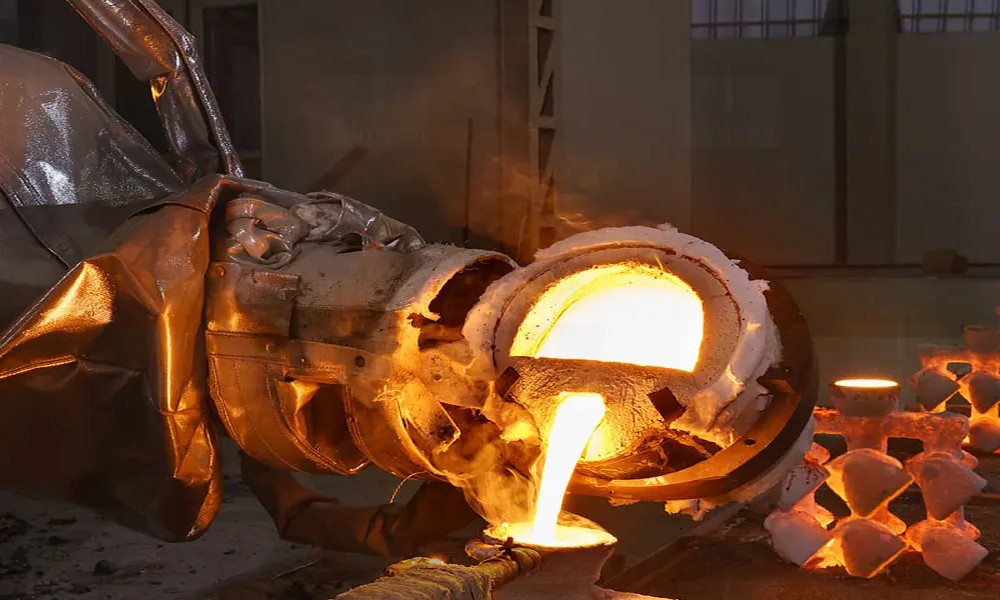
Precision manufacturing continues advancing through refined processes and consistent material control. Engineers focus on achieving tighter tolerances across complex component designs. Production methods now emphasize repeatability alongside dimensional stability for demanding applications. Within this environment, thailand investment casting supports accurate results through controlled shaping techniques.
Precision Gains Through Controlled Wax Modeling
Accurate wax patterns form the basis for dimensional consistency. Each model reflects the final component’s intricate geometry precisely. Minor deviations are minimized before metal pouring begins.Careful inspection ensures early-stage flaws never progress further. This preparation strengthens confidence in the final casting outcome.
Material Stability Across Casting Stages
Consistent material behavior supports predictable shaping throughout production. Thermal control ensures steady transformation during mold preparation phases. Each stage contributes directly to maintaining structural accuracy.
- Uniform wax expansion under stable temperatures
- Consistent shell coating thickness improves durability
- Controlled heating reduces internal structural distortion
- Reliable cooling cycles prevent sudden dimensional shifts
Stable material handling keeps results repeatable across batches. This consistency allows manufacturers to maintain dependable quality levels.
How does mold design influence final precision outcomes?
Mold design determines how molten material flows during casting. Smooth pathways prevent turbulence while filling intricate cavities effectively. Proper venting ensures trapped air escapes without affecting shape integrity.
Balanced design allows uniform cooling across complex surfaces. That approach reduces stress concentrations and prevents unwanted deformation during solidification.
Dimensional Consistency Through Shell Formation
Shell formation plays a critical role in maintaining accuracy. Layered ceramic coatings strengthen the mold structure gradually. Each coating stage adds durability while preserving detailed impressions.
- Multiple coating layers enhance mold structural integrity
- Fine slurry application captures delicate design features
- Controlled drying maintains uniform layer thickness
- Reinforced shells withstand high temperature pouring
Strong shells protect detailed patterns during metal introduction. This protection ensures intricate designs remain unchanged throughout casting.
What factors ensure repeatable accuracy in production cycles?
Repeatability depends on consistent process monitoring and calibration practices. Equipment settings must remain stable during repeated casting cycles. Regular checks help identify small deviations before they escalate.
Technicians rely on precise measurements to confirm dimensional reliability. This attention ensures each component mirrors previous production outcomes closely.
Refined Surface Detailing and Finish Quality
Surface finishing improves overall component precision beyond structural accuracy. Fine detailing ensures edges remain sharp and clearly defined. Manufacturers using thailand investment casting achieve refined textures across complex geometries.
Controlled polishing and cleaning processes further enhance dimensional clarity. Smooth surfaces reduce the need for extensive post-processing corrections.
Balancing Efficiency With High Accuracy Standards
Production efficiency grows when accuracy reduces rework requirements significantly. Reliable processes lower material waste and shorten manufacturing timelines. Improved consistency also supports better resource allocation during operations.